Water damage restoration in Hyattsville and Prince George's CountyWater and sewage only · IICRC S500 drying standard
24/7 standing water removal

Water Extraction in Hyattsville, MD

Standing water in a Hyattsville home soaks into plaster, subfloor and old hardwood by the hour. The extraction crew pulls it out with truck-mounted pumps so the drying team can start right behind them.

(888) 535-8182Water still spreading in Hyattsville? Call now.
24/7 dispatch IICRC S500 drying goal Daily moisture logs
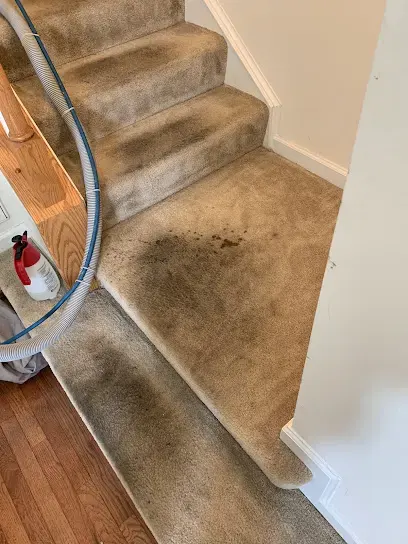
Extraction wand pulling water out of wet stair carpet during water extraction
Water category1, 2 or 3
First toolTruck-mounted pump
Follow-upStructural drying
DispatchOpen 24/7
First steps

What to do the moment you find standing water

  1. 1.Stop the source

    Close the main shutoff or the fixture valve if you can reach it safely.

  2. 2.Kill wet circuits

    Switch off breakers for flooded rooms, but only if the panel sits in a dry spot.

  3. 3.Photograph first

    Take wide and close photos of the water before anything is moved.

  4. 4.Lift and call

    Pull rugs and valuables off the floor, then call for extraction.

Trade facts for this loss

Water category
Category 1 from supply lines; Category 2 or 3 from drains, storms and sewage
Equipment
Truck-mounted extraction, portable extractors, weighted carpet tools, submersible pumps
Drying goal
Within 2 to 4 points of a dry reference material in the same building
How the work is held to standard

How water extraction is handled in Hyattsville

Rapid local response

Restoration crews in the Hyattsville area answer around the clock, weekends and holidays included, because water keeps moving after dark.

IICRC S500 drying standard

The drying team works to IICRC S500, the industry drying standard: structural drying, not just surface drying.

Claim-ready documentation

The restoration team records a moisture map, daily readings and timestamped photos for the insurance file.

Prince George's water experts

Brick-era basements, radiator heat and stacked garden apartments are everyday work for the local restoration pros.

Typical cost ranges

What does water extraction cost in Hyattsville, MD?

In Hyattsville, MD, water extraction on its own typically runs $300 to $1,500, and most jobs roll straight into drying, which brings a contained loss to roughly $1,500 to $4,500 depending on water category, square footage and materials.

Single room

$300 to $900
  • Clean water, one level
  • Portable or truck-mounted pump
  • Carpet and pad extraction

Finished basement

$900 to $2,500
  • Several inches of water
  • Truck-mounted extraction
  • Moisture mapping included

Whole floor or Category 3

$2,500 to $6,000+
  • Contaminated or widespread water
  • Removal of porous materials
  • Containment and cleaning

The drivers are the water category, the square footage that got wet, the material class (drywall versus plaster, carpet versus hardwood) and how fast drying started. For a planning number, try the Hyattsville water damage cost calculator.

The process

The water extraction process, step by step

Every Hyattsville job runs in the same order, because the order is what separates a finished dry-out from a cosmetic one.

  1. Moisture mapping first

    The tech who does the walkthrough traces the source of the water and maps moisture with thermal imaging and pinless meters before any equipment goes down.

  2. Extraction

    The extraction crew pulls standing water with truck-mounted or portable extraction, so the water leaves the building instead of wicking into the next room.

  3. Drying set to each room

    The drying team sets air movers to the evaporation load of each room and runs LGR dehumidifiers, with desiccants for dense plaster, masonry and hardwood.

  4. Daily readings to the goal

    The crew logs readings every day and pulls equipment only when the wet material sits within 2 to 4 points of a dry reference, then hands over the drying logs.

Extraction is the step that decides how long the rest of the job takes. Every gallon the extraction crew pulls out as liquid is a gallon the dehumidifiers never have to pull out of the air, which is why a proper extraction pass shortens a Hyattsville dry-out by days. In the older homes around Route 1 and the historic district, the water also finds plaster, old heart pine and brick basement walls that hold moisture far longer than modern drywall, so getting it out fast matters even more here.

How the extraction crew removes standing water

The restoration team matches the tool to the floor and the depth of the water:

  • Truck-mounted extraction for deep water in basements and large rooms, with the hoses run in so the water leaves the building
  • Portable extractors for upper floors and garden apartments where a truck cannot reach the unit
  • Weighted extraction tools that press water out of carpet and pad instead of skimming the surface
  • Submersible pumps when a basement holds several inches of water after a storm

Before the pumps start, the tech who does the walkthrough maps moisture with a thermal camera and pinless meters, so the extraction covers the wet areas that do not look wet. After extraction, the drying team moves straight into structural drying.

Where extraction calls come from in Hyattsville

Most extraction jobs across the 20781 to 20785 ZIP codes start with one of a few sources:

  • Basements that take on water through old masonry walls and floor drains in heavy rain, covered in detail on the basement flooding page
  • Burst supply lines and radiator leaks in pre-war houses
  • Water heater tanks that let go in a basement or closet
  • Storm water that runs under a basement stairwell door when the drain at the bottom clogs

Category decides what happens next

Clean Category 1 water from a supply line can often be extracted and dried in place. Once water sits, picks up contamination or comes from a drain, it moves to Category 2 or 3, and porous materials it touched are removed instead of dried. That is why speed at the extraction stage changes the whole scope.

What to expect after the water is out

Once the standing water is gone, the drying team sets air movers and LGR dehumidifiers to the room, and the crew records readings every day until the material reaches the IICRC S500 drying goal. The same readings go into the file for your insurer. For flood safety basics while you wait, see Ready.gov flood safety, and for how flood coverage differs from a burst-pipe claim, see FloodSmart.gov.

Service area

Water extraction across Hyattsville and nearby ZIPs

Hyattsville, MD and the surrounding Prince George's County ZIP codes

The Hyattsville restoration crew handles water extraction in the town itself and across the surrounding Prince George's County ZIP codes: 20781, 20782, 20783, 20784, 20785, 20787 and 20788.

That covers Hyattsville, Edmonston, Chillum, University Park, Langley Park, Adelphi, Cheverly, New Carrollton, Landover Hills, Landover and Palmer Park, plus Riverdale Park, Mount Rainier and Bladensburg next door.

See every neighborhood and ZIP

Questions

Water Extraction questions in Hyattsville

How fast does standing water need to come out?

As fast as possible. Clean water starts wicking into drywall, plaster and subfloor right away, and after 24 to 48 hours it can support mold growth and slide toward Category 2. Extraction is the first thing the restoration team does for that reason.

Can a wet vac do the same job?

A shop vac helps with a small spill, but it cannot pull water out of carpet pad, subfloor seams or wall bottoms. Truck-mounted and weighted extraction remove far more water, which cuts the drying time and the chance of hidden damage.

Is the carpet always thrown away?

No. Carpet soaked by clean water can often be extracted and dried in place. Pad is usually replaced, and carpet touched by Category 3 water, such as sewage or storm water, is removed.

Why does the crew check dry-looking areas?

Water travels under baseboards, along joists and inside plaster. Thermal imaging and pinless meters show where it went, so the extraction and drying cover the whole wet area, not only the visible puddle.

Does insurance pay for water extraction?

Sudden and accidental water, such as a burst pipe, is often covered after your deductible, while rising surface water usually falls under flood coverage. Coverage depends on your policy, so it is worth checking with your own insurer.

What happens after extraction?

The drying team sets air movers and LGR dehumidifiers, records readings every day, and removes the equipment only when the materials reach the drying goal.

Emergency water removal

Standing water in a Hyattsville home? Call now.

The extraction crew pulls the water first, then the drying team sets the equipment right behind them.

(888) 535-8182Get emergency water extraction started in Hyattsville
Call (888) 535-8182 24/7